

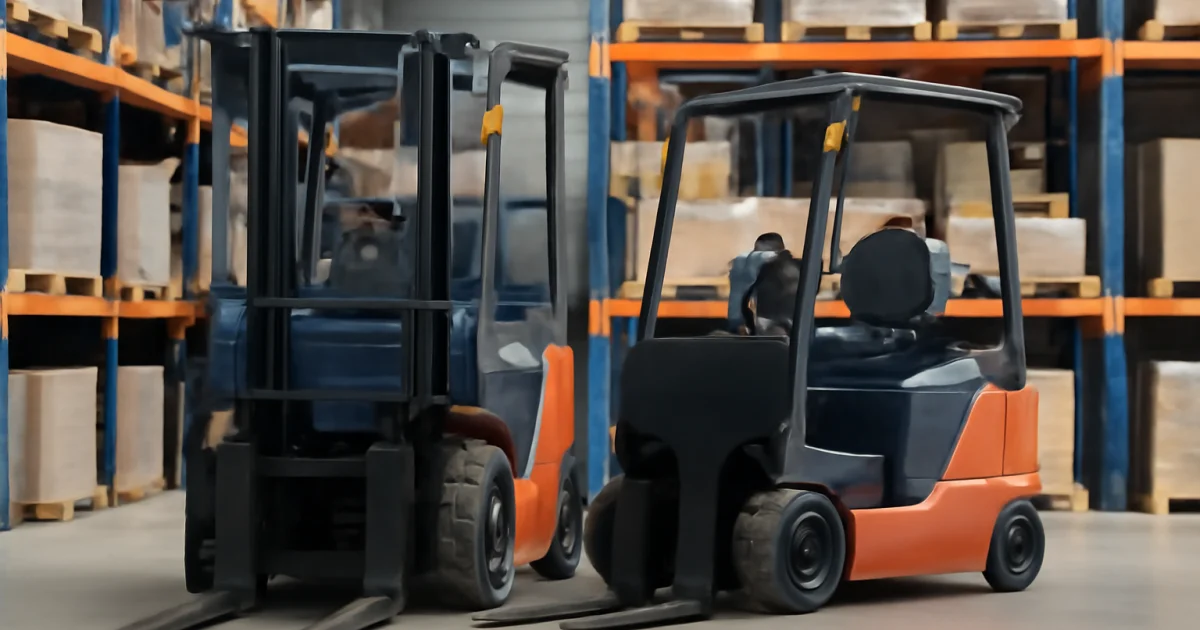
Toyota Engine Forklift vs Electric Forklift: Which Is Right for Your Malaysian Business?
Choosing the right forklift is critical for maintaining efficient operations in warehouses, factories, and industrial sites across Malaysia. As businesses evaluate their material handling needs, the decision often comes down to two popular options: Toyota engine forklifts and electric forklifts. Each type brings unique advantages and operational considerations. This guide compares both, helping you identify which solution aligns with your business environment, application demands, and long-term plans. For readers comparing options, Toyota Engine Forklift Malaysia is the main topic this guide explains.
Understanding Toyota Engine Forklifts
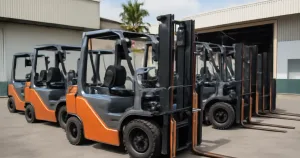
Toyota engine forklifts are powered by internal combustion engines—typically diesel or LPG (liquefied petroleum gas). These machines are renowned for their robust performance, reliability, and ability to handle demanding workloads in various environments. In Malaysia, engine forklifts are a staple across manufacturing, construction, and industrial sectors, where heavy lifting and outdoor operations are common.
- Power & Performance: Engine forklifts deliver high torque, making them ideal for moving heavy loads and operating on challenging terrain.
- Versatility: Suitable for both indoor and outdoor use, especially where ventilation is sufficient.
- Refueling: Quick to refuel with diesel or LPG, reducing downtime during shifts.
Popular models like the Toyota Engine Forklift 7FD15-7FD35 and 8FD15-8FD35 are widely used in Malaysian industries due to their proven reliability and comprehensive after-sales support.
Understanding Electric Forklifts
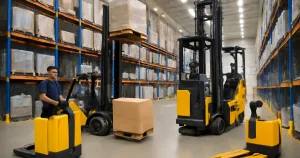
Electric forklifts, including lithium-ion and battery-powered models, have gained significant traction in Malaysia’s warehousing and logistics sectors. These trucks use rechargeable batteries to power their operations, offering several benefits for indoor applications and businesses prioritizing sustainability.
- Clean Operations: Zero direct emissions make electric forklifts ideal for indoor environments and food, pharmaceutical, or electronics warehouses.
- Lower Noise: Electric forklifts operate much more quietly than their engine counterparts, contributing to a safer and more comfortable workplace.
- Reduced Maintenance: Fewer moving parts mean less frequent servicing and potentially lower long-term costs.
Models such as the Toyota electric 3-wheeler forklifts and Toyota Electric Reach Trucks are popular choices for high-racking, narrow-aisle warehouses in Malaysia. Electric power pallet trucks are also increasingly used for efficient pallet movement in distribution centers.
Key Differences Between Engine and Electric Forklifts
When deciding between a Toyota engine forklift and an electric forklift, it’s essential to consider several factors that impact daily operations and total cost of ownership.
| Criteria | Toyota Engine Forklift | Electric Forklift |
|---|---|---|
| Power Source | Diesel/LPG engine | Battery (lead-acid or lithium-ion) |
| Emissions | Produces exhaust gases | Zero emissions at point of use |
| Noise Level | Louder operation | Quieter operation |
| Load Capacity | Suited for heavy loads (up to 5 tons+) | Typically up to 3-5 tons |
| Application | Indoor/outdoor, rough terrain | Best for indoor, smooth surfaces |
| Refueling/Charging | Fast refueling | Requires charging time or spare battery |
| Maintenance | More frequent, engine parts | Fewer moving parts, less frequent |
| Upfront Cost | Generally lower | Higher (especially lithium-ion models) |
Find the Right Forklift for Your Malaysian Business
Ready to boost productivity with the ideal forklift solution? Allied Handling Equipment (M) Sdn. Bhd. offers a comprehensive range of new and reconditioned Toyota engine forklifts, electric forklifts, reach trucks, and power pallet trucks for sale and rental. Our experienced team provides expert advice, flexible acquisition options, and reliable after-sales support tailored to Malaysian operations.
Get Your Free Forklift Consultation
Practical Considerations When Selecting a Forklift
Before making a final decision between an engine-powered or electric forklift, it’s important to evaluate the specific requirements of your operation. Consider the following practical factors to guide your choice:
- Frequency of Heavy Lifting: If your business routinely moves loads exceeding 3 tons or handles oversized pallets, a robust internal combustion engine forklift may be necessary. These machines offer consistent power output, especially for outdoor applications such as container loading or construction supply yards.
- Operating Environment: For indoor warehouses with narrow aisles and controlled climates, electric models excel thanks to their compact design and zero emissions. Sectors such as food processing or pharmaceuticals often prioritize electric forklifts due to strict hygiene and air-quality requirements.
- Shift Patterns and Uptime: Multi-shift operations with little downtime may benefit from engine forklifts that can be rapidly refueled. However, some electric forklifts now offer rapid battery swapping or fast charging, allowing 24/7 operation with minimal disruption.
- Noise and Worker Comfort: Facilities where noise reduction is vital—such as electronics assembly or retail distribution—should lean toward electric forklifts, which operate quietly and reduce workplace stress for operators and staff.
- Infrastructure and Support: Assess your facility’s readiness for electric forklift charging infrastructure or fuel storage and delivery systems needed for engine models. Also, consider the availability of qualified maintenance technicians for each type.
Scenario 1: Large-Scale Manufacturing Plant
This plant handles both raw materials and finished goods, requiring forklifts for both indoor and outdoor use. Materials often arrive in shipping containers or on oversized pallets, and operations run across multiple shifts. In this scenario, an engine forklift with LPG or diesel is often preferred for its power and versatility. The ability to quickly refuel between shifts keeps production moving smoothly. The business also benefits from the rugged construction and all-weather performance of engine models, which handle outdoor yards and uneven surfaces with ease.
Scenario 2: Urban E-Commerce Fulfillment Center
Located in a densely populated area, this facility prioritizes quiet, efficient operations and strict air quality compliance. Most lifting occurs indoors with goods stored in high racks and narrow aisles. Here, electric forklifts, including reach trucks and compact 3-wheelers, are ideal. Their zero emissions ensure compliance with environmental regulations, while the lower noise output provides a more pleasant workspace. Advanced lithium-ion models can be fast-charged during scheduled breaks, further minimizing operational downtime.
Step-by-Step Checklist for Forklift Selection
- Assess Load Requirements: Determine maximum load weights, typical pallet sizes, and lift heights.
- Map Operating Zones: Identify whether forklifts will be used indoors, outdoors, or both. Note surface types and any terrain challenges.
- Evaluate Shift Patterns: Calculate hours of operation, number of shifts, and required uptime between recharging or refueling.
- Review Regulatory Needs: Confirm any environmental, safety, or industry-specific requirements (e.g., food safety, emissions limits).
- Analyze Total Cost of Ownership: Look beyond purchase price—consider fuel or electricity costs, maintenance intervals, spare parts availability, and potential resale value.
- Plan for Support: Ensure local dealer support for spare parts, emergency repairs, and operator training.
Common Mistakes to Avoid When Choosing a Forklift
- Overlooking Charging or Refueling Logistics: Underestimating battery charging infrastructure or fuel supply can cause costly downtime. Plan for adequate charging stations or fuel storage before investing.
- Selecting the Wrong Capacity: Choosing a forklift with too low a capacity can lead to equipment strain and frequent repairs, while an oversized unit may be less maneuverable and unnecessarily costly.
- Ignoring Operator Ergonomics: Forklifts with uncomfortable controls or poor visibility can lead to reduced productivity and operator fatigue, increasing the risk of accidents.
- Failing to Account for Maintenance: Not budgeting for routine servicing or selecting a model with expensive, hard-to-source parts can affect long-term operational costs.
- Neglecting Future Growth: Focusing only on current needs without considering business expansion or changes in material handling requirements can result in premature equipment replacement.
Conclusion: Making an Informed Forklift Choice
The optimal forklift for your business depends on a careful balance of operational needs, environment, cost, and long-term plans. By thoroughly evaluating your requirements and considering the advantages of both engine and electric models, you can select equipment that enhances productivity, ensures safety, and supports your business as it grows. Whether you choose a powerful engine forklift for rugged, multi-shift outdoor use or a clean, quiet electric model for indoor efficiency, making a strategic decision will deliver sustainable value for years to come.
Frequently Asked Questions
What are the main differences between a Toyota engine forklift and an electric forklift?
Toyota engine forklifts use diesel or LPG engines and are ideal for heavy-duty tasks and outdoor work, while electric forklifts use rechargeable batteries, produce no emissions, and are best for indoor environments requiring cleaner, quieter operation.
Which forklift is more cost-effective for Malaysian warehouses?
Electric forklifts generally have higher upfront costs but lower running and maintenance expenses, making them cost-effective over time for businesses with predictable schedules and indoor operations. Engine forklifts may be more economical for heavy-duty, continuous outdoor work.
Are electric forklifts suitable for multi-shift operations?
Yes, but they require careful planning for battery charging or swapping. For uninterrupted multi-shift operations, businesses often maintain spare batteries or use fast-charging lithium-ion forklifts to minimize downtime.
Can engine forklifts be used indoors in Malaysia?
Engine forklifts can be used indoors if there is sufficient ventilation to manage exhaust emissions. However, electric forklifts are recommended for enclosed areas to ensure worker safety and meet air quality standards.
What is a Toyota battery reach truck and when should I consider it?
A Toyota battery reach truck is an electric forklift designed for high-racking warehouses and narrow aisles. It is ideal for businesses needing efficient pallet handling and storage in space-constrained indoor environments.
Find the Right Forklift for Your Malaysian Business
Ready to boost productivity with the ideal forklift solution? Allied Handling Equipment (M) Sdn. Bhd. offers a comprehensive range of new and reconditioned Toyota engine forklifts, electric forklifts, reach trucks, and power pallet trucks for sale and rental. Our experienced team provides expert advice, flexible acquisition options, and reliable after-sales support tailored to Malaysian operations.