

Malaysian Forklift Industry by the Numbers: Key Statistics for 2026
The forklift industry in Malaysia is evolving rapidly as warehouses, manufacturers, and logistics providers adapt to new market demands and technologies. As we move through 2026, understanding the current landscape is essential for businesses aiming to boost efficiency, reduce costs, and maintain a competitive edge. This article breaks down the latest trends, practical changes, and key statistics shaping Forklift Malaysia — providing valuable insights for warehouse managers, operations leaders, and industry decision-makers.
Malaysia’s Forklift Market: Growth Drivers and Market Overview
Driven by robust manufacturing, expanding e-commerce, and ongoing warehouse automation, Malaysia’s forklift sector has seen steady growth over recent years. Businesses in Penang, Selangor, Johor, and major industrial zones are investing in modern material handling solutions to keep up with fast-paced logistics and growing order volumes.
Several factors are fueling this growth:
- Increased industrial activity: Demand for forklifts rises alongside manufacturing and infrastructure projects.
- Warehouse expansion: More distribution centers mean heightened need for equipment such as reach trucks, pallet trucks, and stackers.
- Emphasis on operational efficiency: Companies are prioritizing equipment that supports faster, safer, and more reliable warehouse workflows.
- Technology adoption: The market is seeing a clear shift from traditional engine forklifts to electric and lithium-ion battery models, especially for indoor use.
Popular Forklift Types and Equipment Preferences in 2026
Malaysian businesses continue to diversify their forklift fleets based on specific operational needs. The main equipment categories include:
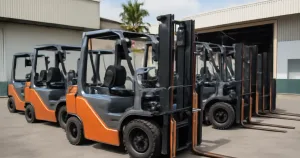
- Engine Forklifts: Still preferred for outdoor environments and heavy-duty lifting, especially in construction and large-scale manufacturing.
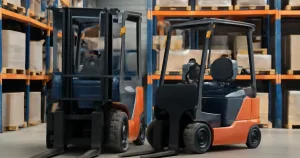
- Electric Forklifts: Gaining popularity due to their low emissions, quieter operation, and suitability for indoor warehouses. Many companies are upgrading to Toyota battery forklifts and similar models for cleaner warehouse operations.
- Lithium-Ion Forklifts: A rising trend, lithium-ion models offer faster charging, longer run times, and lower maintenance. Businesses seeking long-term efficiency are considering options like the Li Ion Forklift range, including the Ice303 and Ice251.
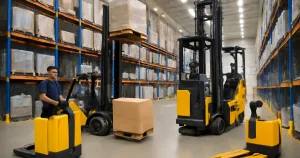
- Reach Trucks and Stackers: Essential for high-racking storage and narrow aisle environments where space optimization is critical.
- Pallet Trucks: Invaluable for fast and efficient movement of goods across short warehouse distances.
This diversification reflects the industry’s focus on matching forklift capabilities to application-specific requirements, with a clear move toward energy-efficient and low-maintenance electric solutions.
The Shift Toward Electric and Lithium-Ion Forklifts
One of the most significant trends in Malaysia’s forklift market is the transition from diesel and LPG engine forklifts to electric and lithium-ion battery-powered models. This shift is driven by several practical and strategic benefits:
- Environmental compliance: Electric forklifts produce no direct emissions, supporting sustainability goals and compliance with workplace regulations.
- Lower operational costs: Reduced fuel consumption and fewer moving parts result in lower maintenance expenses and energy savings.
- Improved workplace safety: Battery-powered units operate more quietly and smoothly, reducing noise pollution and improving operator comfort.
- Flexibility: Lithium-ion forklifts can be opportunity charged during breaks, minimizing downtime and improving productivity.
For many warehouse and operations managers, investing in lithium-ion forklifts represents a forward-thinking approach to fleet modernization, especially as more Malaysian companies adopt automation and green initiatives.
Forklift Safety and Solutions: A Growing Priority
With the increasing complexity of warehouse and manufacturing operations, safety has become a central concern for businesses using forklifts. Companies are implementing a range of safety measures and solutions to meet both legal requirements and industry best practices:
- Regular equipment inspection: Scheduled maintenance and checks reduce the risk of breakdowns and workplace incidents.
- Operator training: Comprehensive training programs ensure drivers understand safe handling, load limits, and emergency procedures.
- Modern safety features: Newer forklift models often include seatbelt interlocks, reversing alarms, speed limiters, and stability controls.
- Warehouse layout optimization: Designing aisles and racking systems for clear visibility and traffic flow minimizes collision risks.
- Battery and charging safety: With the shift to electric and lithium-ion forklifts, proper charging station setup and battery management are essential.
These safety strategies not only protect workers but also extend equipment lifespan and reduce costly downtime, making them a practical investment for any business with material handling needs.
Rental, Reconditioned, and Flexible Fleet Options
Not every business requires a permanent investment in new forklifts. In Malaysia, many SMEs and cost-conscious companies are turning to alternative ownership models to meet seasonal or project-based needs:
- Forklift rental: Flexible rental solutions allow businesses to scale their equipment according to demand without large upfront costs.
- Reconditioned forklifts: Professionally refurbished units offer reliable performance at a lower price point, ideal for smaller warehouses or temporary expansions.
- Long-term leasing: For ongoing operations, leasing provides access to the latest technology with predictable monthly expenses and included maintenance.
This flexibility supports operational continuity and cost control, especially for companies facing short-term projects, equipment breakdowns, or seasonal surges in activity.
What to Expect: The Future of Forklifts in Malaysian Industry
Malaysia’s forklift industry is on track for continued transformation as businesses pursue smarter, safer, and more sustainable ways to move goods. Looking ahead, several trends are likely to define the sector:
- Adoption of advanced batteries: Lithium-ion and other high-performance technologies will further reduce downtime and boost efficiency.
- Integration with warehouse management systems: Forklifts will increasingly be connected, enabling real-time tracking, fleet optimization, and predictive maintenance.
- Emphasis on safety and ergonomics: Demand for equipment with advanced safety systems and operator-friendly designs will continue to rise.
- Green logistics: As sustainability becomes a core business goal, electric and eco-friendly forklift solutions will gain even more traction.
For decision-makers in manufacturing, warehousing, and logistics, staying informed about these developments is key to maintaining a competitive advantage and supporting business growth.
Common Mistakes When Choosing Forklift Solutions
Selecting the right forklift or material handling equipment can be challenging, particularly given the evolving technology and diverse range of options available. Businesses sometimes make avoidable mistakes that can impact productivity and increase costs. Here are some of the most common pitfalls to watch out for:
- Overlooking operational environment: Failing to assess whether forklifts will be used indoors, outdoors, or in mixed environments may result in equipment that is not optimized for the application.
- Ignoring load requirements: Misjudging average and maximum load weights or lift heights can lead to inefficiency or even safety hazards.
- Underestimating maintenance needs: Not factoring in the total cost of ownership, including maintenance and spare parts availability, can erode cost savings over time.
- Neglecting operator feedback: Operators often have valuable insight into daily challenges. Not consulting them may result in suboptimal equipment choices or missed safety considerations.
- Delaying fleet modernization: Holding on to aging forklifts beyond their useful life can lead to unexpected breakdowns and rising repair costs, ultimately affecting warehouse throughput.
Conclusion
The Malaysian forklift industry in 2026 is characterized by dynamic growth, equipment innovation, and a strong focus on safety and operational efficiency. Whether you’re upgrading your fleet, considering battery-powered alternatives, or seeking flexible rental options, understanding market trends and practical solutions is essential. By aligning equipment choices with business needs and industry best practices, Malaysian companies can maximize productivity while controlling costs and supporting safe, sustainable operations.
Frequently Asked Questions
What are the most popular forklift types in Malaysia for 2026?
Engine forklifts remain popular for outdoor and heavy-duty uses, while electric and lithium-ion forklifts are increasingly chosen for indoor warehouses due to their efficiency and lower emissions. Reach trucks, pallet trucks, and stackers are also widely used for specific warehouse layouts.
Why are Malaysian companies switching to electric and lithium-ion forklifts?
Electric and lithium-ion forklifts offer lower operating costs, zero direct emissions, quieter performance, and reduced maintenance. These benefits make them ideal for indoor environments and companies prioritizing sustainability and operational efficiency.
How can businesses improve forklift safety in their warehouses?
Key safety measures include regular equipment inspection, thorough operator training, using forklifts with modern safety features like alarms and speed limiters, optimizing warehouse layouts, and ensuring safe battery charging practices.
Are rental and reconditioned forklifts a good option for Malaysian SMEs?
Yes. Rental and reconditioned forklifts allow SMEs and businesses with temporary needs to access reliable equipment without large capital investment. This flexibility is ideal for seasonal demand, short-term projects, or replacing equipment during breakdowns.
What trends will shape the Malaysian forklift industry in the near future?
The industry will continue to see growth in electric and lithium-ion forklift adoption, greater integration with warehouse management systems, heightened safety and ergonomic standards, and a strong push toward sustainability and green logistics.
Enhance Your Material Handling with Allied Handling Equipment (M) Sdn. Bhd.
Ready to modernize your warehouse or factory with efficient, safe, and cost-effective forklift solutions? Allied Handling Equipment (M) Sdn. Bhd. offers a full range of new and reconditioned forklifts, electric and lithium-ion models, reach trucks, pallet trucks, and flexible rental options. Benefit from industry expertise, after-sales support, and tailored solutions for your business needs. Take the next step toward smarter material handling today.