

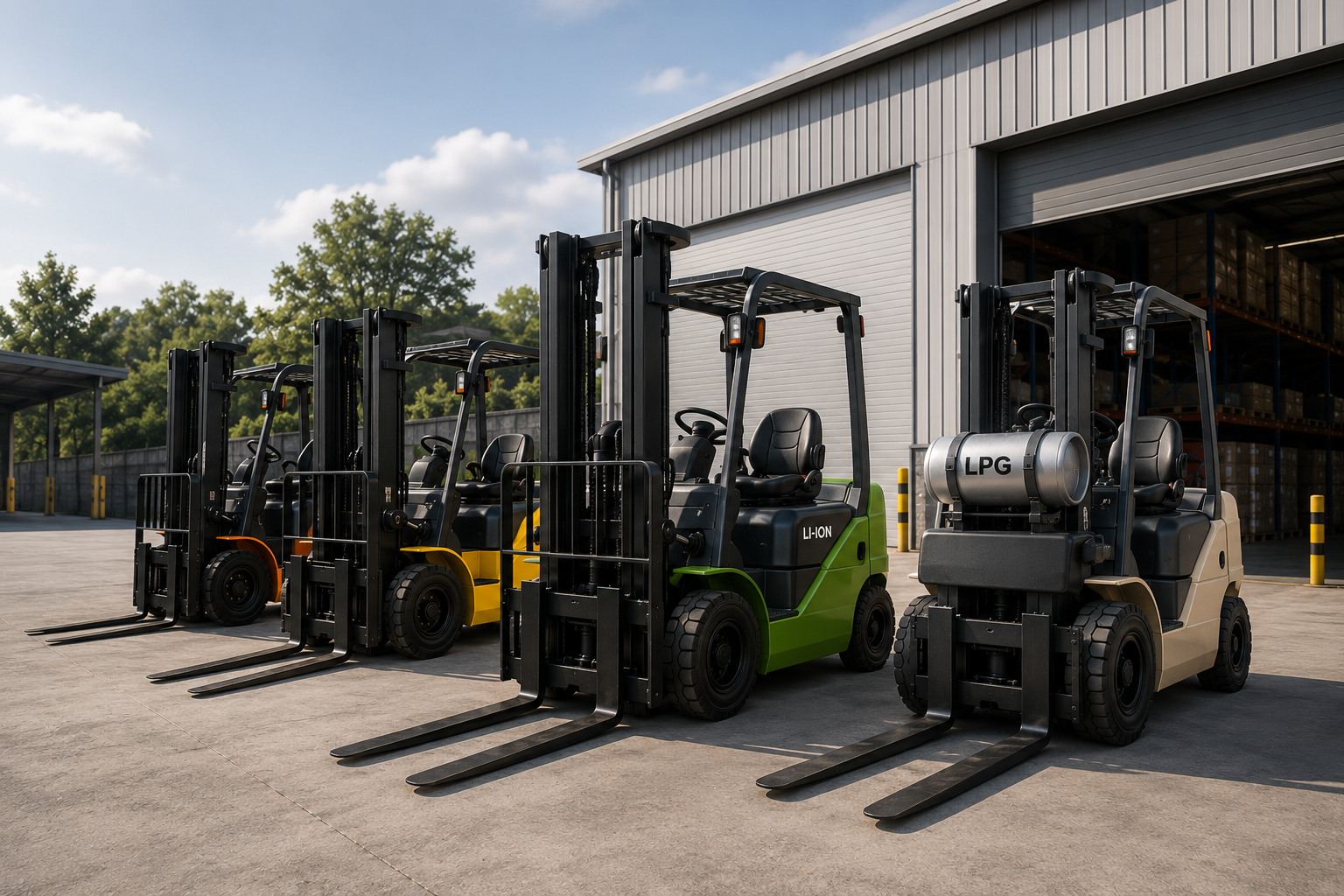
Top Mistakes to Avoid When Buying a Forklift in Malaysia
Choosing the right forklift for your business in Malaysia is a significant decision that can impact your operations, efficiency, and costs for years to come. Yet, many companies—even experienced warehouse managers and procurement teams—fall into common traps when buying a forklift. Whether you run a manufacturing plant, a warehouse, or a logistics operation, avoiding these pitfalls is crucial to ensuring your investment delivers long-term value and safety.
1. Not Assessing Your Actual Operational Needs
One of the most frequent mistakes is purchasing a forklift based on price or brand reputation alone, without a thorough analysis of your unique requirements. Every operation is different. A forklift that suits a large warehouse may be entirely unsuitable for a smaller facility or a business dealing with different types of materials.
- Load capacity: Underestimating your typical and maximum load weights can result in an underpowered forklift, risking equipment strain and safety hazards.
- Lifting height: Overlooking racking height or ceiling constraints can mean buying a machine that can’t reach required levels, or one that’s too large for your layout.
- Working environment: Forklifts for indoor, outdoor, or mixed-use environments require different power sources and tire types. For example, electric forklifts are ideal for indoor, emission-sensitive environments, while engine-powered models are better for rough outdoor surfaces.
- Usage hours: Not considering daily operation hours may lead to excessive wear if you choose a model meant for less intensive use.
Tip: Before requesting quotes, make a detailed list of your material handling needs, existing warehouse layout, and future growth plans. Discuss these in detail with your supplier to ensure the recommended forklift matches your actual use case.
2. Overlooking Total Cost of Ownership
Focusing solely on the upfront price often leads to regret down the road. The initial purchase cost is just one part of the total cost of ownership (TCO). Maintenance, repairs, spare parts, downtime, battery or fuel consumption, and operator training all contribute to your long-term investment.
For instance, a cheaper forklift may have higher maintenance needs, expensive spare parts, or poor local support. On the other hand, investing in a reliable, well-supported model—like a Toyota Battery Forklift or a modern Li Ion Forklift—might reduce downtime and repair costs over its lifetime.
- Battery life and charging: For electric or lithium-ion models, consider charging infrastructure, battery replacement costs, and charging time against your daily operational needs.
- Availability of parts and service: Ensure your supplier can provide fast, reliable after-sales support and genuine parts in Malaysia.
- Resale value: Some brands and models retain value better, which might be a consideration if you plan to upgrade in a few years.
Tip: Request a full cost breakdown from your supplier—including maintenance schedules and running costs—not just the sticker price.
3. Ignoring Forklift Safety Features and Compliance
Safety is paramount in any material handling operation, but it’s often overlooked during forklift procurement. Failure to consider essential safety solutions can lead to accidents, regulatory non-compliance, and costly downtime.
- Essential safety features: Look for seatbelts, overhead guards, warning alarms, lights, and good visibility from the operator’s seat.
- Stability systems: Modern forklifts may have advanced stability controls, especially important for high-lifting or narrow-aisle operations.
- Battery safety: For lithium-ion battery forklift models, ensure they include thermal management, safe charging, and proper battery enclosures.
- Local regulations: Verify that your chosen forklift model complies with Malaysian workplace safety standards and that operators receive proper training.
Tip: Ask your supplier about their safety certifications and training support. Investing in operator safety is just as important as investing in the right equipment.
4. Neglecting to Evaluate Rental and Reconditioned Options
It’s easy to assume that buying new is always the best route, but this isn’t always true—especially for SMEs, companies with seasonal demand, or those on a tight budget. Renting or purchasing professionally reconditioned forklifts can offer flexibility, reduced upfront investment, and access to well-maintained equipment.
- Short-term projects: If you have a temporary increase in volume or a special project, renting can meet your needs without locking in capital.
- Budget constraints: Quality reconditioned forklifts often provide excellent value, provided they come from a reputable supplier with a warranty and service guarantee.
- Rental flexibility: Opting for monthly or long-term rental plans can help manage cash flow and adapt to changing business conditions.
Tip: Always inspect reconditioned units or ask for detailed service histories. Partner with suppliers who offer strong after-sales support for rentals and used equipment.
5. Failing to Consider Future-Proof Technology
The material handling industry in Malaysia is evolving rapidly, with advancements like lithium-ion batteries, EV forklifts, and telematics becoming increasingly accessible. Failing to consider future-proof features can leave your operation outdated and less competitive.
- Lithium-ion and EV forklifts: These models offer faster charging, longer lifespans, and lower maintenance compared to traditional lead-acid or engine-powered forklifts. They’re ideal for operations aiming to reduce emissions and improve energy efficiency.
- Telematics and fleet management: Some forklifts now include smart monitoring systems that track usage, maintenance needs, and safety compliance. These tools help optimize fleet performance and reduce downtime.
- Integration with warehouse systems: Forward-thinking businesses benefit from forklifts that can easily integrate with warehouse management systems (WMS) and automation technologies.
Tip: While advanced technology may cost more initially, the operational savings and flexibility often justify the investment. Evaluate whether your supplier offers these options and discuss how they can benefit your workflow.
6. Choosing the Wrong Supplier or Skipping After-Sales Support
Even the best forklift can become a liability if you lack reliable local support. Choosing a supplier who is not established in Malaysia or who cannot provide timely maintenance, genuine parts, and expert advice can lead to costly delays and safety risks.
- Check credentials: Look for suppliers with an established track record, experience in your industry, and a reputation for quality service.
- After-sales support: Confirm that your supplier has a responsive technical team, local inventory of spare parts, and offers ongoing maintenance packages.
- Training and certification: Ensure your supplier provides operator training and certification services to keep your team safe and compliant.
Tip: Ask for references, read reviews, and clarify service response times before making your purchase decision. Partnering with a reputable supplier like Allied Handling Equipment (M) Sdn. Bhd. helps ensure long-term reliability and peace of mind.
Conclusion: Make Smarter Forklift Decisions in Malaysia
Buying a forklift is a major investment that impacts productivity, safety, and operational costs. By understanding and avoiding these common mistakes—ranging from inadequate needs analysis to overlooking future-proof features—you put your business on the path to greater efficiency and long-term value.
Take the time to assess your operational requirements, consider the total cost of ownership, prioritise safety, evaluate all purchasing options, and choose a reliable supplier with strong after-sales support. With these steps, you can confidently select the right forklift for your Malaysian business—one that keeps your operations running smoothly for years to come.
Frequently Asked Questions
What are the essential forklift safety solutions for warehouses in Malaysia?
Essential safety solutions include seatbelts, overhead guards, warning alarms, lights, clear operator visibility, stability control systems, and regular operator training. Choosing forklifts with these features and ensuring compliance with Malaysian safety standards helps prevent workplace accidents.
Are lithium-ion battery forklifts suitable for Malaysian warehouses?
Yes, lithium-ion battery forklifts are increasingly popular in Malaysia due to their fast charging, longer battery life, reduced maintenance, and zero local emissions. They are ideal for indoor and multi-shift warehouse operations.
Is it better to buy new or reconditioned forklifts in Malaysia?
It depends on your operational needs and budget. New forklifts offer the latest features and warranties, while professionally reconditioned units can be a cost-effective solution for businesses looking to reduce upfront investment. Always purchase from a reputable supplier who offers after-sales support.
What should I look for in a forklift supplier in Malaysia?
Look for suppliers with a proven track record, strong after-sales support, readily available spare parts, technical expertise, and the ability to provide operator training. A reliable supplier ensures your forklift investment is protected long-term.
How can I future-proof my forklift purchase?
Consider investing in forklifts with advanced technology such as lithium-ion batteries, EV models, and smart fleet management systems. These options offer greater efficiency, lower operating costs, and flexibility for evolving business needs.
Need Expert Advice on Buying the Right Forklift in Malaysia?
Allied Handling Equipment (M) Sdn. Bhd. is your trusted partner for forklift sales, rentals, and after-sales support in Malaysia. Our experienced team helps you assess your needs and avoid costly mistakes—whether you’re considering new, reconditioned, or rental forklifts, including advanced lithium-ion and electric models. Contact us today for a tailored solution that keeps your warehouse or factory running at peak efficiency.